B2B Ordering Platforms for Global Trade and Export
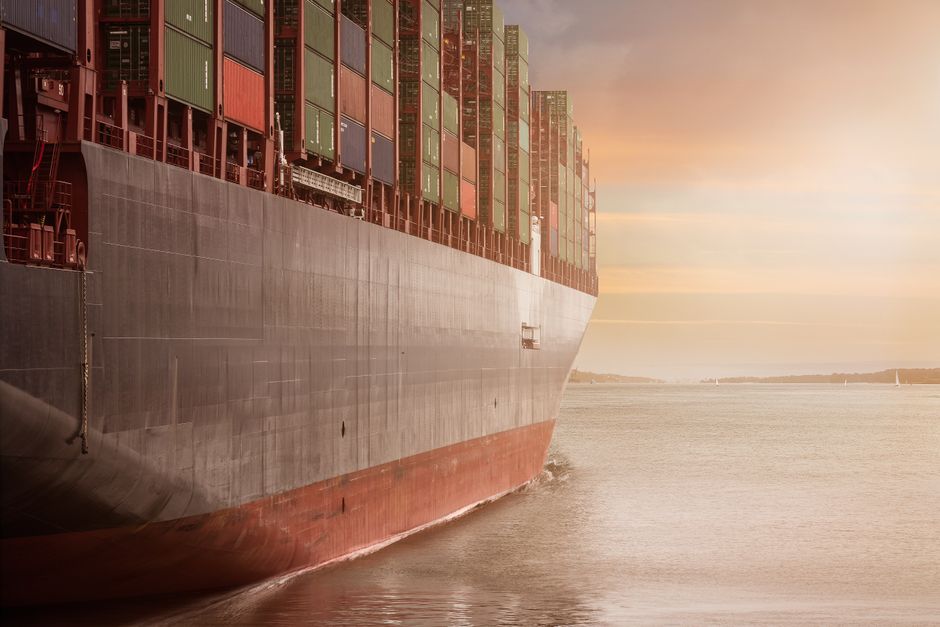
B2B ordering platforms simplify international trade by centralizing currency conversion, compliance documentation, freight coordination, and buyer communication in one system. Brands can accept orders from buyers in multiple countries without manually managing exchange rates, customs paperwork, or local payment terms.
Currency and pricing for international buyers
A B2B ordering platform displays prices in the buyer's local currency and processes payments at current exchange rates. The platform pulls live rates from payment processors or banking APIs, so buyers see accurate totals without needing to calculate conversions themselves. Brands set base prices in their home currency, and the system handles the rest.
Multi-currency pricing also lets brands set region-specific pricing tiers. A buyer in the UK might see GBP prices with a different margin than a buyer in Australia sees in AUD, reflecting shipping costs, import duties, or local market conditions. The platform stores these rules and applies them automatically based on the buyer's location or account settings.
Payment processors integrated with B2B platforms typically support dozens of currencies and handle settlement in the brand's preferred currency. The brand receives funds in USD, EUR, or another chosen currency, while buyers pay in their own.
Compliance documents and customs requirements
International shipments require commercial invoices, packing lists, certificates of origin, and sometimes product-specific compliance documents like safety data sheets or phytosanitary certificates. A B2B ordering platform generates these documents automatically when an order is placed, pulling product details, harmonized tariff codes, and declared values from the catalog.
The platform stores tariff codes (HS codes) at the product level, so each line item on an international order includes the classification customs officials need. Brands enter these codes once during catalog setup, and the system includes them on every relevant shipment document.
Some platforms integrate with customs brokers or freight forwarders, sending order data directly to the logistics partner so they can file entries and arrange clearance. This reduces manual data entry and the risk of errors that delay shipments at the border.
For regulated products like food, cosmetics, or electronics, the platform can store compliance certificates and attach them to orders going to countries that require proof of testing or registration. The buyer or freight forwarder receives the documents along with the commercial invoice.
Freight and shipping term management
B2B platforms let brands define shipping terms (Incoterms) such as FOB, CIF, or DDP, which determine who pays for freight and insurance and where responsibility transfers from seller to buyer. The platform displays the selected term on quotes and invoices, so both parties understand their obligations.
For brands offering DDP (Delivered Duty Paid), the platform can integrate with freight forwarders to calculate landed costs, including shipping, duties, and taxes, and present a single total to the buyer at checkout. This removes uncertainty and makes cross-border orders feel as simple as domestic ones.
Freight quotes can be generated in real time based on the buyer's location, order weight, and selected carrier. The platform sends shipment details to the carrier's API, receives a quote, and adds it to the order total. Buyers see the shipping cost before they commit.
Some platforms also support freight collect or third-party billing, where the buyer arranges their own shipping and provides an account number. The system notes this on the order and skips the freight calculation.
Cross-border buyer onboarding and credit
International buyers often expect net payment terms, but verifying creditworthiness across borders is harder than checking a domestic business. B2B platforms integrate with global credit vetting services that assess buyers in multiple countries and assign credit limits.
The platform can require credit approval before a buyer places their first order, or it can allow a smaller initial order and request vetting before approving larger purchases. Approved buyers see their available credit and payment terms in their account.
Some platforms also integrate with trade credit insurance providers, which cover the brand if an international buyer defaults. The insurance provider reviews the buyer's financials and approves coverage, and the platform tracks insured and uninsured orders separately.
For buyers in countries where credit data is limited, brands can set manual credit limits or require prepayment until a relationship is established. The platform enforces these rules at checkout.
Language and localization
B2B platforms can display the storefront, product descriptions, and order confirmations in the buyer's language. Brands upload translations for key content, and the system serves the correct version based on the buyer's location or account settings.
Product catalogs can include localized names, descriptions, and specifications. A food brand might list ingredients in English for US buyers and in French for Canadian buyers, with the platform switching automatically.
Date formats, measurement units, and phone number formats also adjust to match the buyer's region. An order confirmation shows dates as DD/MM/YYYY for a UK buyer and MM/DD/YYYY for a US buyer. Weights appear in kilograms or pounds depending on the destination country.
Distributor and importer management
Brands entering new markets often work with local distributors or importers who buy in bulk and resell to retailers. A B2B platform can create separate pricing tiers and catalogs for these partners, showing distributor pricing that differs from direct retail pricing.
The platform tracks orders by distributor and can restrict certain products or regions. A distributor with exclusive rights in Germany sees the full catalog when logged in, while a distributor in France sees only non-exclusive items.
Some platforms include tools for recruiting distributors, such as lead forms, sample order workflows, or tiered onboarding that starts with a small trial order and expands based on performance. Brands can also share sales data with distributors, showing which products are moving and which need support.
Services like Get Wholesale Orders handle distributor matchmaking and cross-border buyer development, connecting brands with verified importers and managing the compliance and logistics setup needed to start selling in new countries.
Tax and VAT handling
B2B platforms calculate and collect taxes based on the destination country and the buyer's tax status. In the EU, for example, the platform can apply VAT to orders going to consumers but exempt registered businesses that provide a valid VAT number.
The system validates VAT numbers against government databases and stores the verification for audit purposes. If a buyer's VAT number is invalid, the platform applies the standard tax rate.
For countries with goods and services tax (GST) or value-added tax (VAT), the platform tracks tax collected and can generate reports for filing. Some platforms integrate with tax automation services like Avalara or TaxJar, which determine the correct rate and handle remittance.
In countries where the brand must register for tax purposes after reaching a sales threshold, the platform tracks total sales by country and alerts the brand when registration is required.
Marketplace integration for global reach
B2B marketplaces like Faire, Ankorstore, and Bulletin operate in multiple countries and handle currency conversion, payments, and some compliance tasks on behalf of sellers. A B2B ordering platform can sync inventory and orders with these marketplaces, so brands manage one catalog and see all orders in one place.
When a buyer places an order on Faire in the UK, the order appears in the brand's B2B platform with the currency, shipping address, and marketplace fees already noted. The brand fulfills the order, and the platform updates the marketplace with tracking information.
Marketplace integration also prevents overselling. If a product sells out on the brand's direct B2B site, the platform reduces available inventory on connected marketplaces in real time.
Reporting and visibility across regions
B2B platforms provide reports that break down sales by country, region, currency, and buyer type. Brands can see which markets are growing, which products perform best in each region, and where shipping or compliance issues are causing delays.
Dashboards show open orders, pending shipments, and outstanding invoices for each country. Brands can filter by region to review orders that need customs documents or track payments from international buyers.
Some platforms also track the cost of entering each market, including freight, duties, compliance fees, and payment processing costs, so brands can calculate true profitability by region and decide where to focus growth efforts.
When a platform is worth the setup
A B2B ordering platform makes sense for brands that already have interest from international buyers or that want to test new markets without hiring local staff. The platform handles the operational complexity, but the brand still needs to source demand, whether through trade shows, distributor outreach, or marketplace listings.
Brands with complex compliance needs, such as food, cosmetics, or electronics, benefit from platforms that store and generate required documents. Brands with simpler products might start with a basic platform and add compliance features as they expand.
The cost of a platform includes setup fees, monthly software fees, payment processing fees, and potentially integration costs for ERP or freight systems. These costs should be compared to the cost of manually managing international orders, which includes staff time, errors, and lost sales from buyers who expect a modern ordering experience.
Frequently asked questions
Can a B2B ordering platform handle multiple currencies at once?
Yes, B2B platforms display prices in the buyer's local currency and process payments at current exchange rates. Brands set base prices in their home currency, and the system converts them automatically based on the buyer's location.
What compliance documents does a B2B platform generate for international orders?
The platform generates commercial invoices, packing lists, and certificates of origin. It can also attach product-specific documents like safety data sheets or compliance certificates when required by the destination country.
How does a B2B platform verify credit for international buyers?
The platform integrates with global credit vetting services that assess buyers in multiple countries and assign credit limits. It can require approval before the first order or allow a small initial purchase before requesting vetting.
Can a B2B platform show different pricing for distributors in different countries?
Yes, the platform can create separate pricing tiers and catalogs for distributors, showing region-specific pricing and restricting certain products based on exclusivity agreements.
Does a B2B ordering platform handle VAT and GST for international orders?
The platform calculates and collects taxes based on the destination country and the buyer's tax status. It can validate VAT numbers, exempt registered businesses, and generate reports for tax filing.